
The Ultimate Guide to Dominican Cigars: History, Craftsmanship, and Culture
12/10/20255 min read
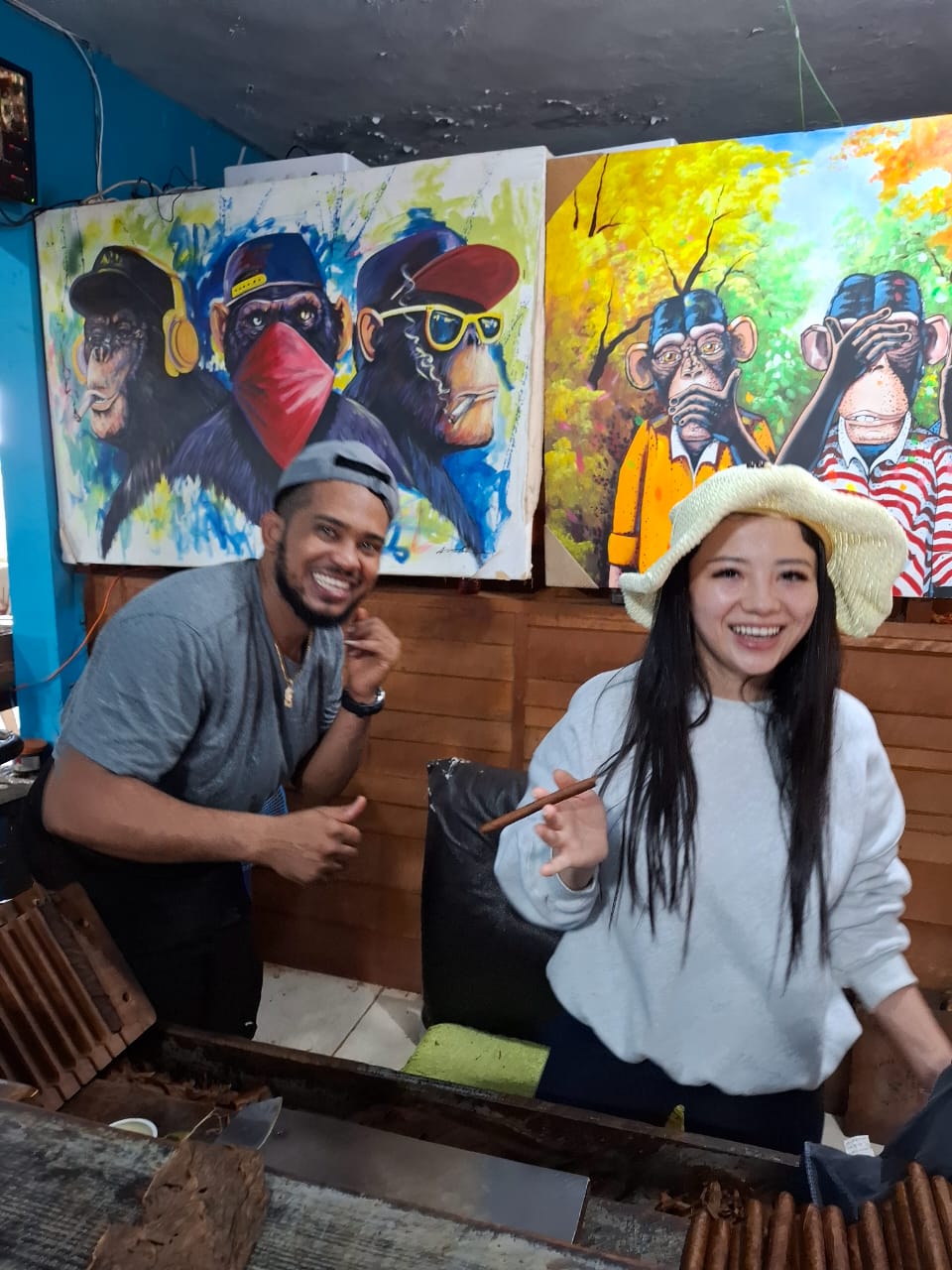
Dominican cigars are more than a smoke. They are history, craftsmanship, and culture wrapped into one unforgettable experience. If you have ever wondered why the Dominican Republic is home to some of the world’s most respected cigar brands, this guide will walk you through everything in a simple and enjoyable way. From ancient traditions to modern cigar houses, from tobacco fields to tasting rooms, you will discover what makes Dominican cigars truly special. Start exploring now and feel free to book a local Punta Cana cigar tour to see the craft up close.

A Brief History of Dominican Cigars
The origins of Dominican cigars can be traced back to the arrival of Christopher Columbus in the late 15th century. When Columbus landed on the island of Hispaniola in 1492, he encountered indigenous tribes who had already been cultivating tobacco for centuries. The practice of smoking tobacco, in various forms, was deeply ingrained in their culture. Columbus and his crew brought this new plant back to Europe, inadvertently sparking a burgeoning interest in tobacco and cigar-making across the continent.
Throughout the 17th and 18th centuries, the cultivation of tobacco began to flourish in the Dominican Republic. In particular, the fertile soils of the Cibao Valley became renowned for producing high-quality tobacco leaf, which would eventually lay the foundation for the country's cigar industry. Historical data indicate that the first commercial cigar factory in the Dominican Republic was established in the late 1800s, marking the beginning of a significant evolution in production techniques.
Key events, particularly during the Cuban Revolution in 1959, significantly influenced the Dominican cigar industry. As Cuban cigar makers fled the political upheaval, many relocated to the Dominican Republic, bringing with them unparalleled expertise and traditional techniques. This migration not only enhanced the quality of Dominican cigars but also fostered a unique blending of Cuban styles with local production practices. The influence of Cuban cigars on Dominican production became evident as local producers adopted similar methods while carving a distinctive identity for Dominican cigars in the marketplace.
Today, Dominican cigars are celebrated worldwide for their exceptional craftsmanship and rich flavors. The country has established itself as one of the leading producers of premium cigars, consistently recognized for their quality and character. The harmonious blend of historical influences, skilled craftsmanship, and ongoing innovation continues to shape the Dominican cigar industry, ensuring its place in the global cigar culture.
Crafting Dominican Cigars: From Tobacco Fields to Your Hands
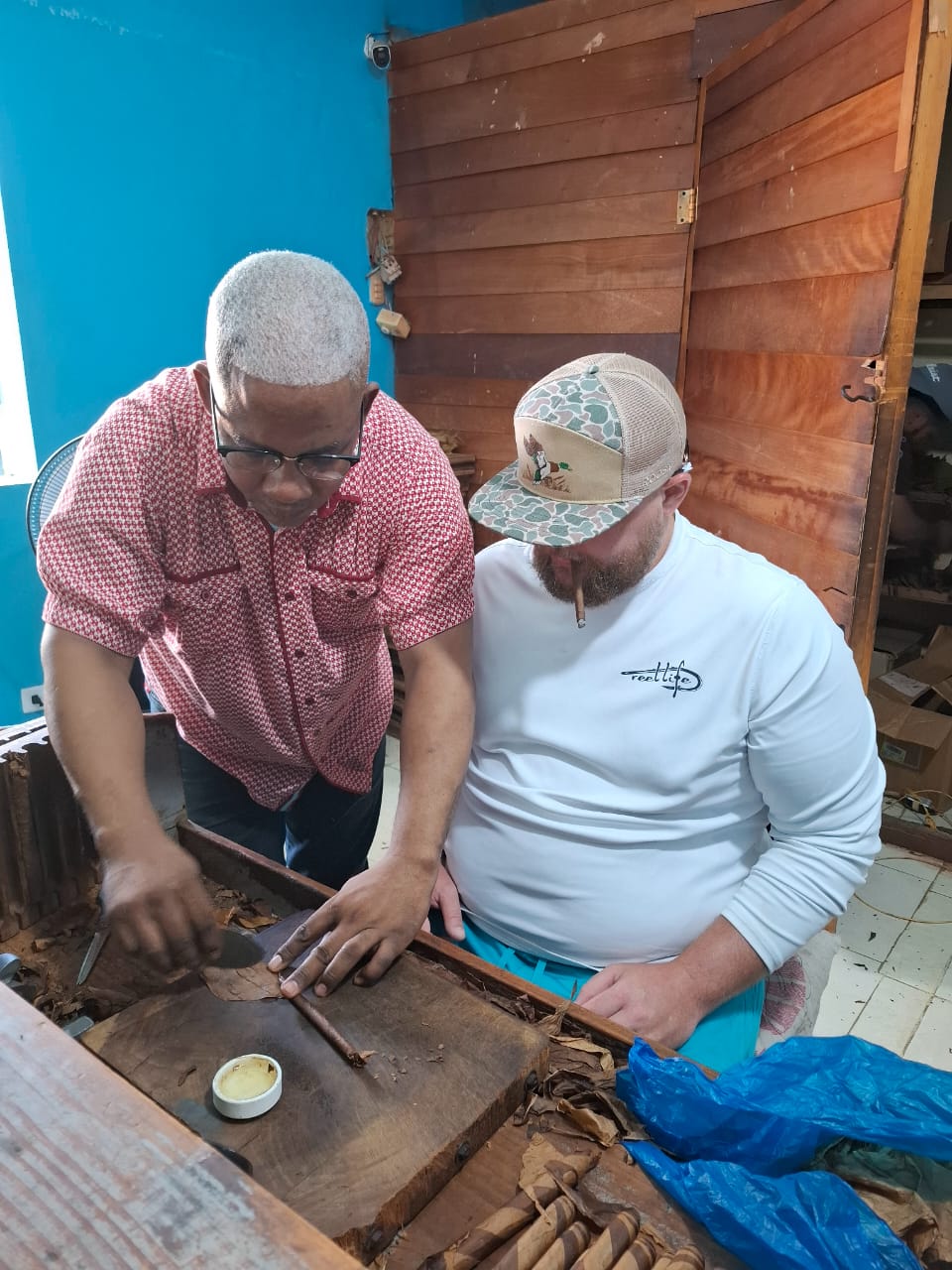
Dominican cigars are renowned worldwide, characterized by distinctive flavor profiles and high-quality craftsmanship. The journey of each cigar begins in the fertile tobacco fields of the Dominican Republic, where growers cultivate specific varieties of tobacco plants that thrive in the local climate. The primary types used in these cigars include Dominican Piloto, Olor, and Criollo. Each variety imparts unique characteristics that come into play during the smoking experience.
Once the plants reach maturity, harvesting begins, requiring careful timing to ensure optimal leaf quality. The harvested leaves undergo a curing process; this involves bundling and hanging the leaves in barns where they are exposed to controlled humidity and temperature. Curing not only develops the color of the leaves but also begins the transformation of flavor compounds. Following this endeavor, the leaves are then fermented, a crucial step that enhances the richness of the tobacco, allowing it to mellow and intensify flavors while reducing bitterness.
After fermentation, the leaves are sorted and graded based on quality. These grades affect the cigars' final price and are a significant determinant of their taste. The rolling process can be performed either by skilled artisans, creating hand-rolled cigars, or through automated machinery, which produces machine-made options. Hand-rolled cigars are typically more revered for their craftsmanship and unique character, while machine-made cigars offer consistency at a lower price point.
Quality assessment is essential for enthusiasts. Key indicators include the construction, firmness, and appearance of the cigar. Identifying counterfeit cigars requires vigilance; genuine Dominican cigars often feature clear branding and specific labels. Lastly, aging cigars is fundamental to enhancing flavors. Proper storage conditions, such as temperature and humidity, play a vital role in achieving a well-rounded smoking experience. This meticulous process reflects the dedication of Dominican cigar makers to delivering premium tobacco products to enthusiasts around the world.
Dominican Cigars vs. Other Major Regions: Cuba and Nicaragua
Dominican cigars have carved a significant niche in the global market, offering unique characteristics that frequently set them apart from cigars produced in Cuba and Nicaragua. The distinctive profiles of cigars from these regions can be attributed to various factors, including climate, soil quality, and the specific tobacco varieties employed in their crafting. In contrast to the rich, robust flavors often associated with Cuban cigars, which are typically known for their complexity, Dominican cigars provide a mellower, often creamier smoking experience. This difference arises primarily from the distinct growing conditions and curing techniques utilized in the Dominican Republic.
Nicaragua, on the other hand, is renowned for producing cigars that feature a rich, full-bodied flavor profile. The best Nicaraguan cigars commonly exhibit spicy notes and a longer finish. Factors such as volcanic soil contribute to the potency of Nicaraguan tobacco, resulting in cigars that many enthusiasts seek for their robust flavor. Like Dominican cigars, Nicaraguan products offer a wide price range, making them accessible to various consumer demographics.
In the Dominican Republic, the cigar industry has established popular brands such as Arturo Fuente, Davidoff, and La Flor Dominicana, which showcase the country’s emphasis on craftsmanship and quality. Prices for Dominican cigars can range significantly, from budget-friendly options to high-end selections, catering to both novice smokers and connoisseurs. Authentic Dominican cigars are widely available through reputable retailers, both in local stores and online platforms, where consumers can explore a broad selection. Websites like Famous Smoke Shop and Cigar.com are noted for their extensive inventories and reliable customer service.
Understanding the subtle distinctions between Dominican, Cuban, and Nicaraguan cigars can greatly enhance the smoking experience and guide consumers in selecting cigars that best meet their preferences and palate.
The Cigar Lifestyle: Enjoying Dominican Cigars with the Perfect Pairings
In the Dominican Republic, cigars represent much more than mere tobacco products; they embody a rich cultural lifestyle that celebrates craftsmanship, relaxation, and social connection. Notably, Dominican cigars are often enjoyed in elegant settings that enhance the overall experience of the smoker. This appreciation for the art of cigar smoking aligns perfectly with a luxurious lifestyle, where each puff is an invitation to savor life's finer moments.
To fully enjoy Dominican cigars, one must consider the perfect beverage pairings that complement their unique flavors. Rum, especially the premium varieties produced in the Caribbean, pairs exceptionally well with cigars due to its sweet undertones and warming qualities. The complexity of aged rums elevates the tasting experience and resonates beautifully with the rich flavors found in a quality Dominican cigar. Similarly, whiskey offers a contrasting profile, with its bold, smoky notes cutting through the creaminess of the cigar's smoke, creating a balanced combination that enhances the enjoyment of both.
Coffee is another quintessential pairing that harmonizes impeccably with the robust flavors of Dominican cigars. The bitterness of coffee can elevate the earthy notes of the tobacco, creating a satisfying interplay that many enthusiasts cherish. Whether enjoyed during the morning or as an after-dinner treat, this pairing is a staple in cigar culture.
Moreover, the experience of smoking Dominican cigars is amplified in the ambiance of cigar lounges across the country. Places like La Casa Del Habano and local favorites provide not only a comfortable atmosphere but also a community of like-minded enthusiasts. These lounges often serve curated selections of spirits and offer a social setting where the appreciation of cigars is shared and celebrated.
For those intrigued by the luxurious lifestyle surrounding Dominican cigars, embarking on a local tour offers an immersive experience into this world. Engage with expert tobacconists, discover the origins of the cigars, and partake in tastings that reveal the nuances of flavor combinations firsthand, ensuring a memorable journey into cigar culture.
Book Now
Tell us your travel date, number of people, and any special requests. We'll reply as soon as possible to confirm your booking!
Explore
Discover Punta Cana's best tours and experiences.
Contact
info@doittours.shop
+1 809 780 3477